
Bedrock RAI300
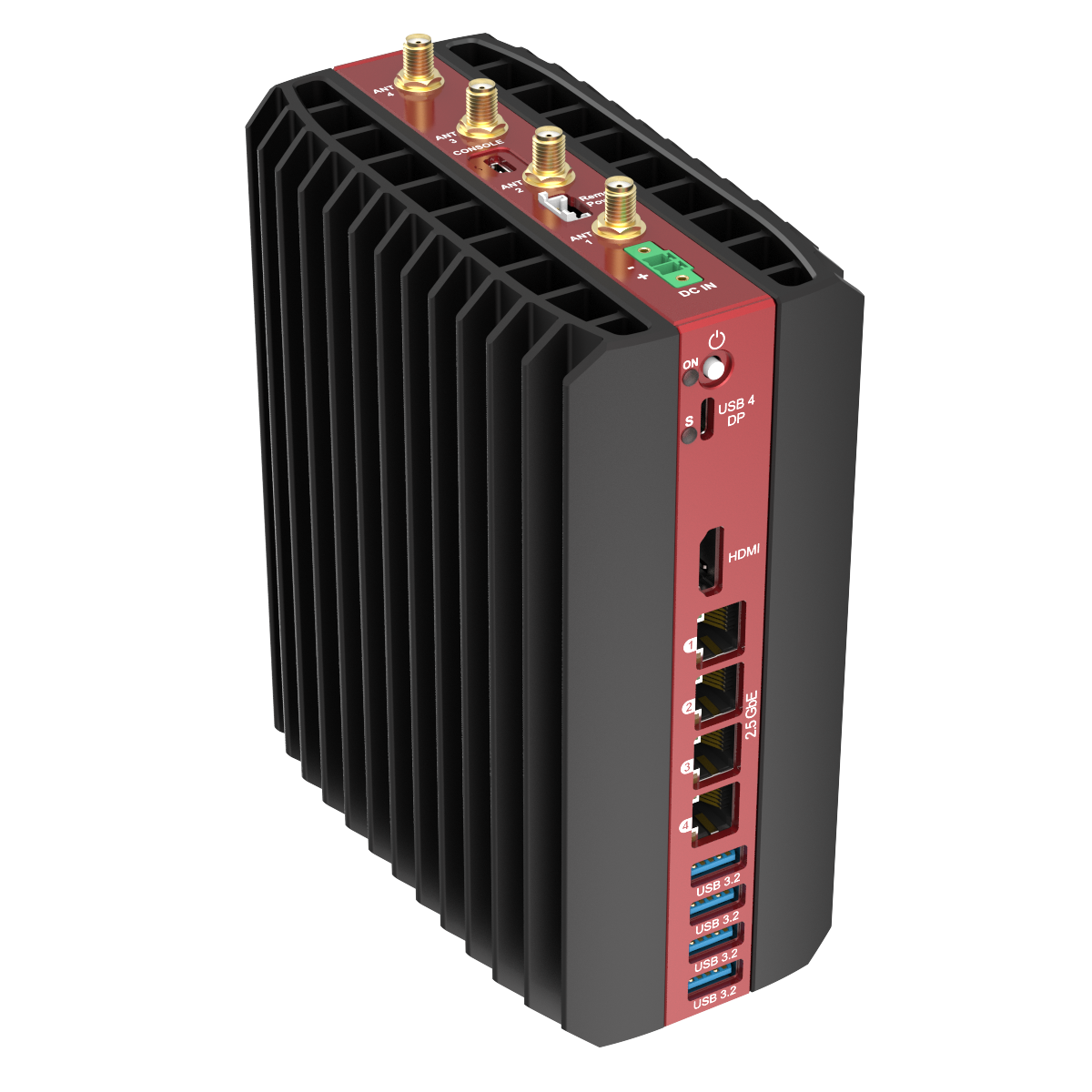
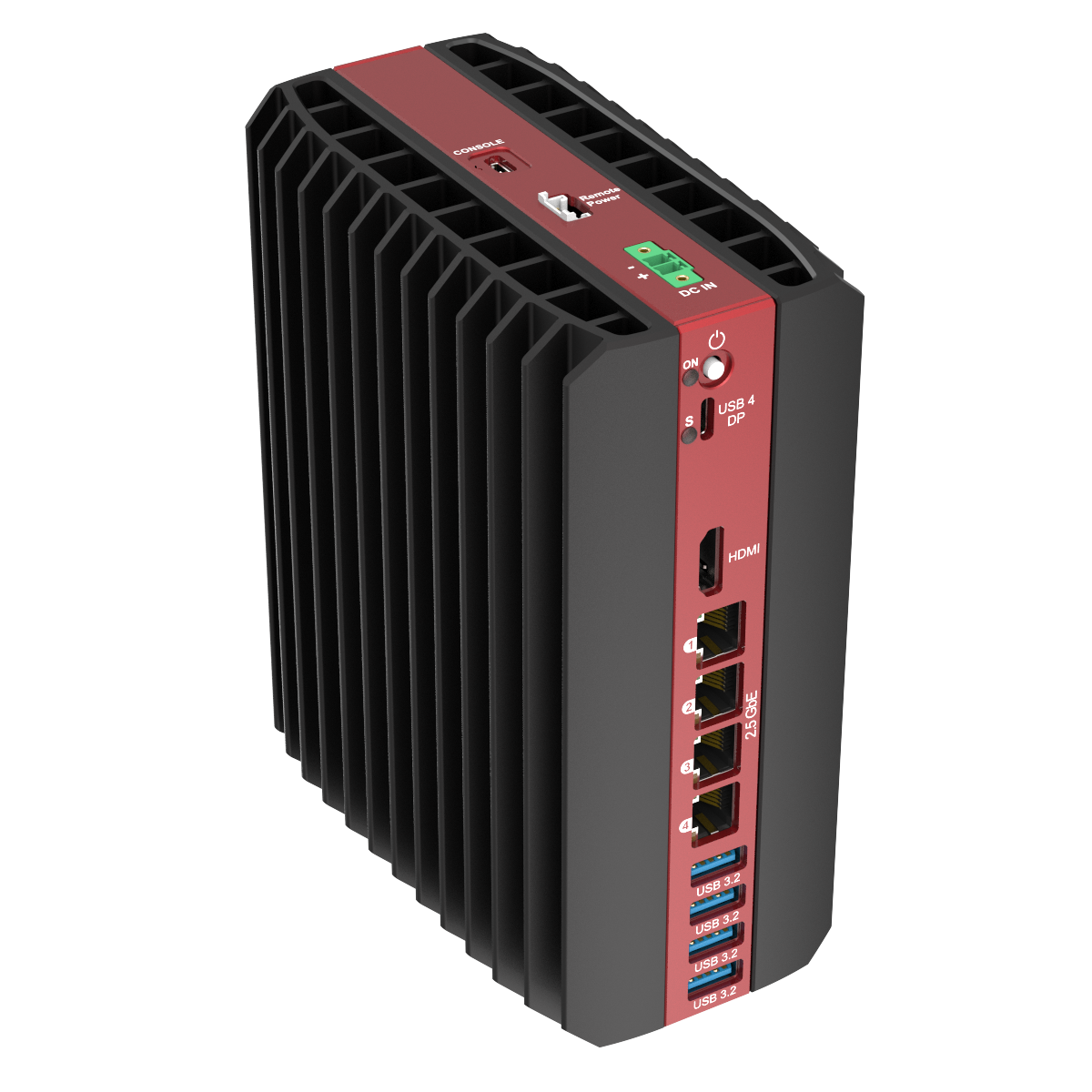
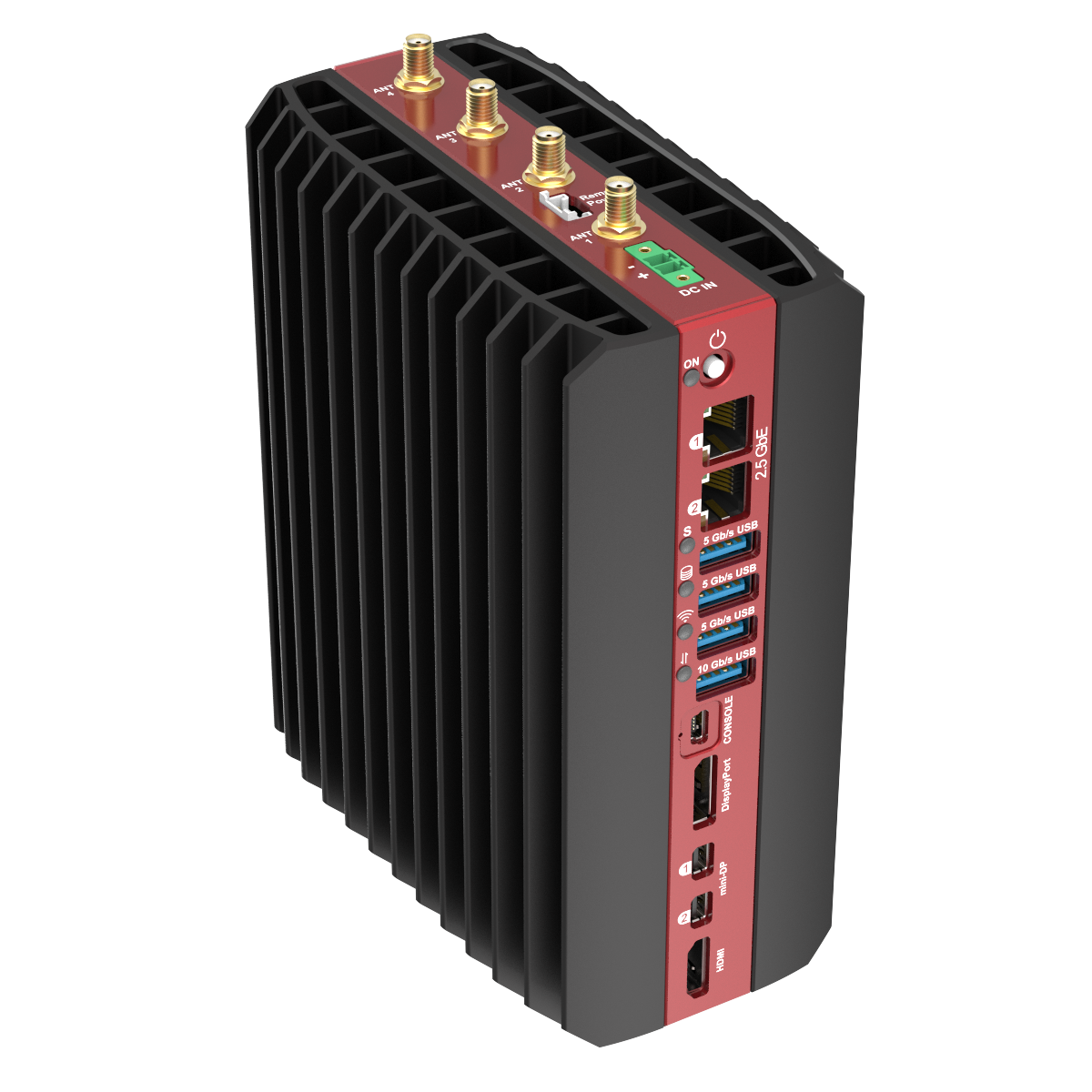
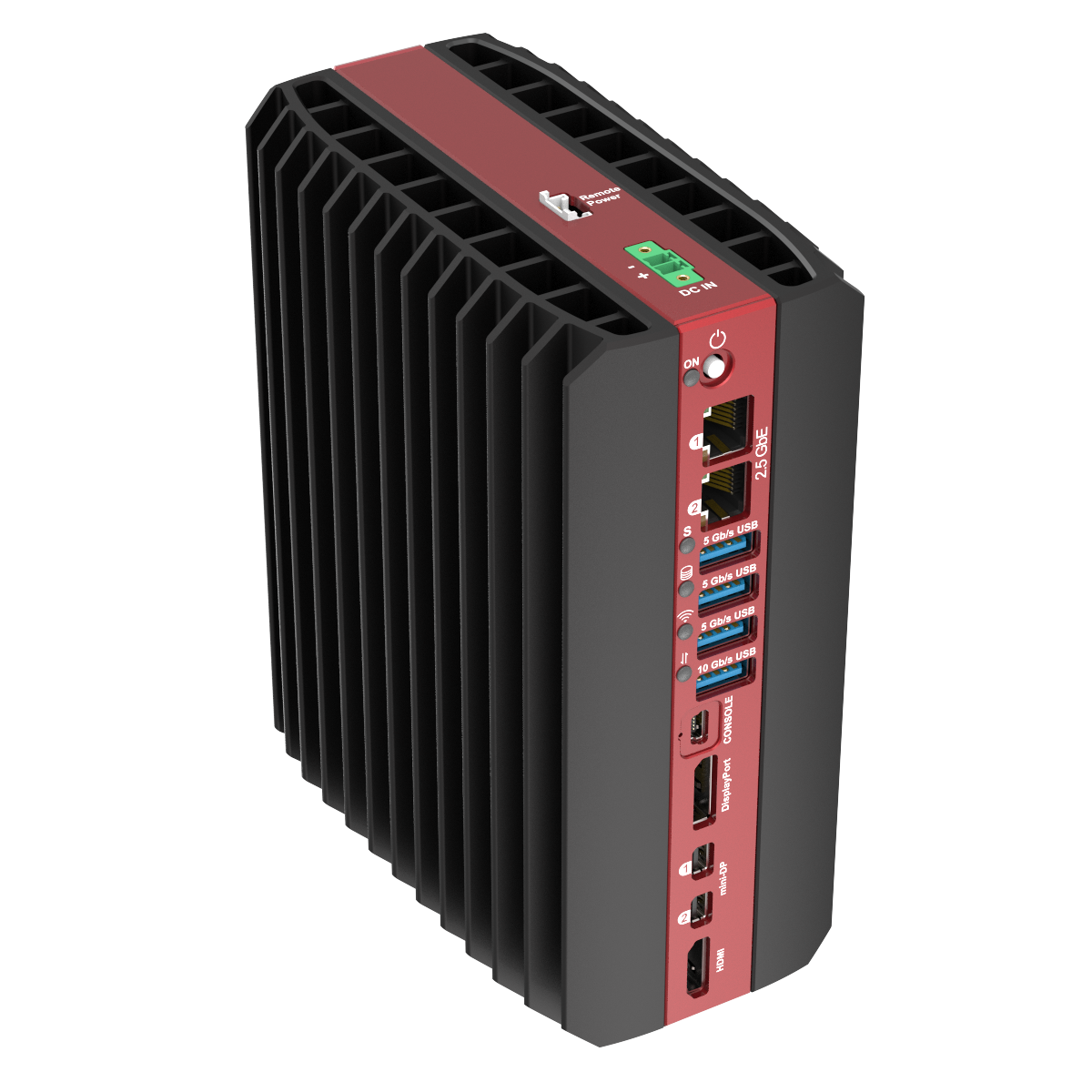
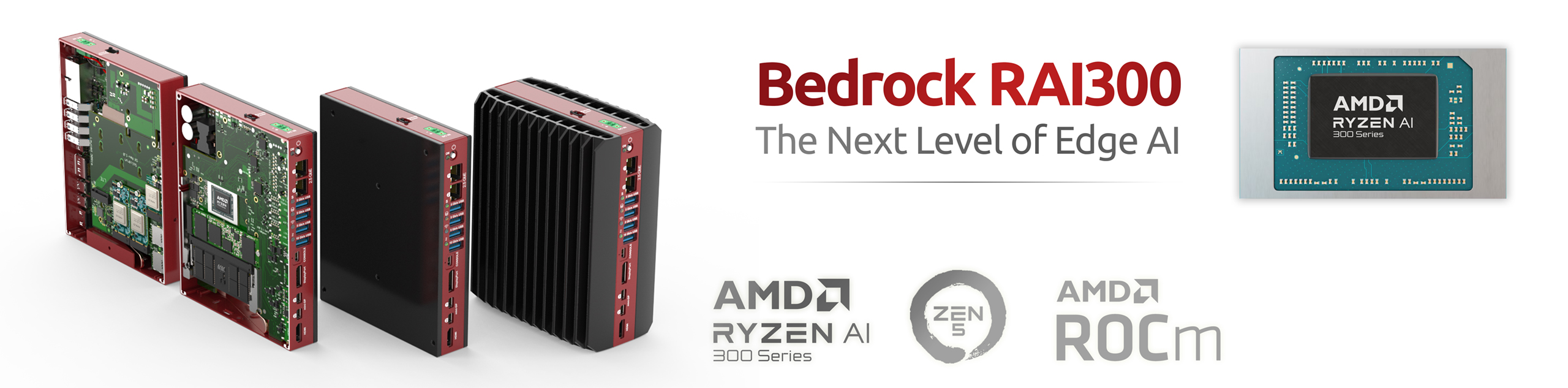
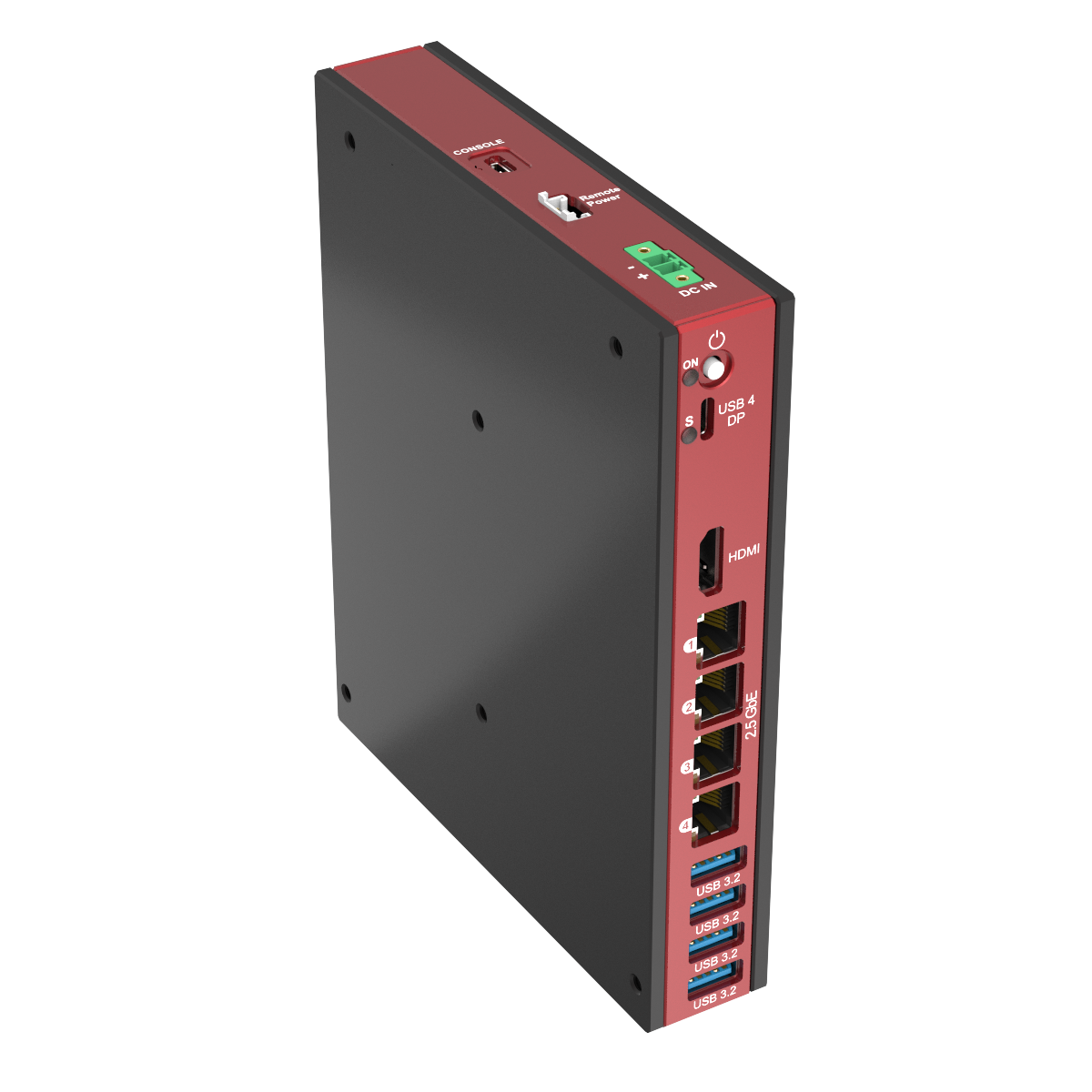
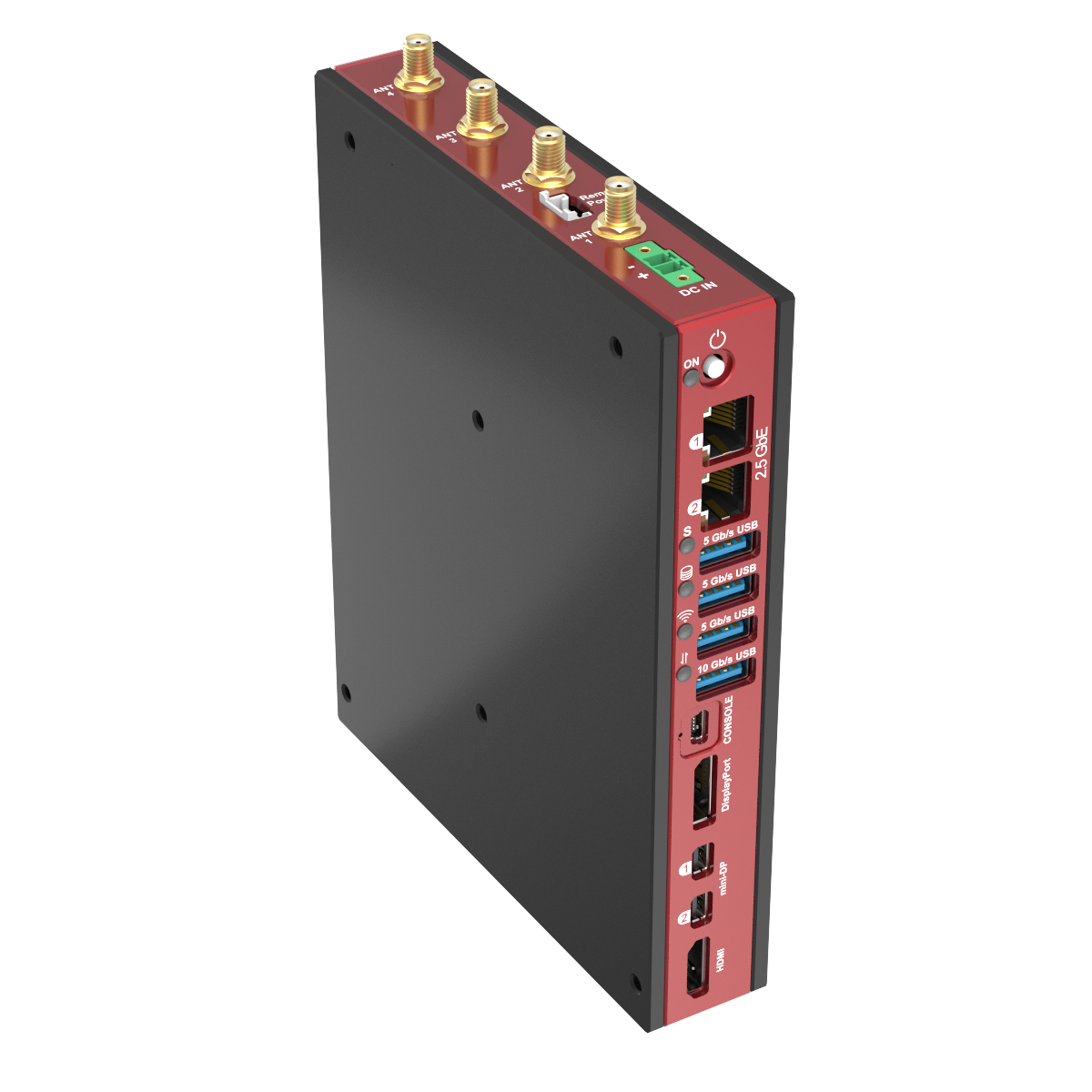
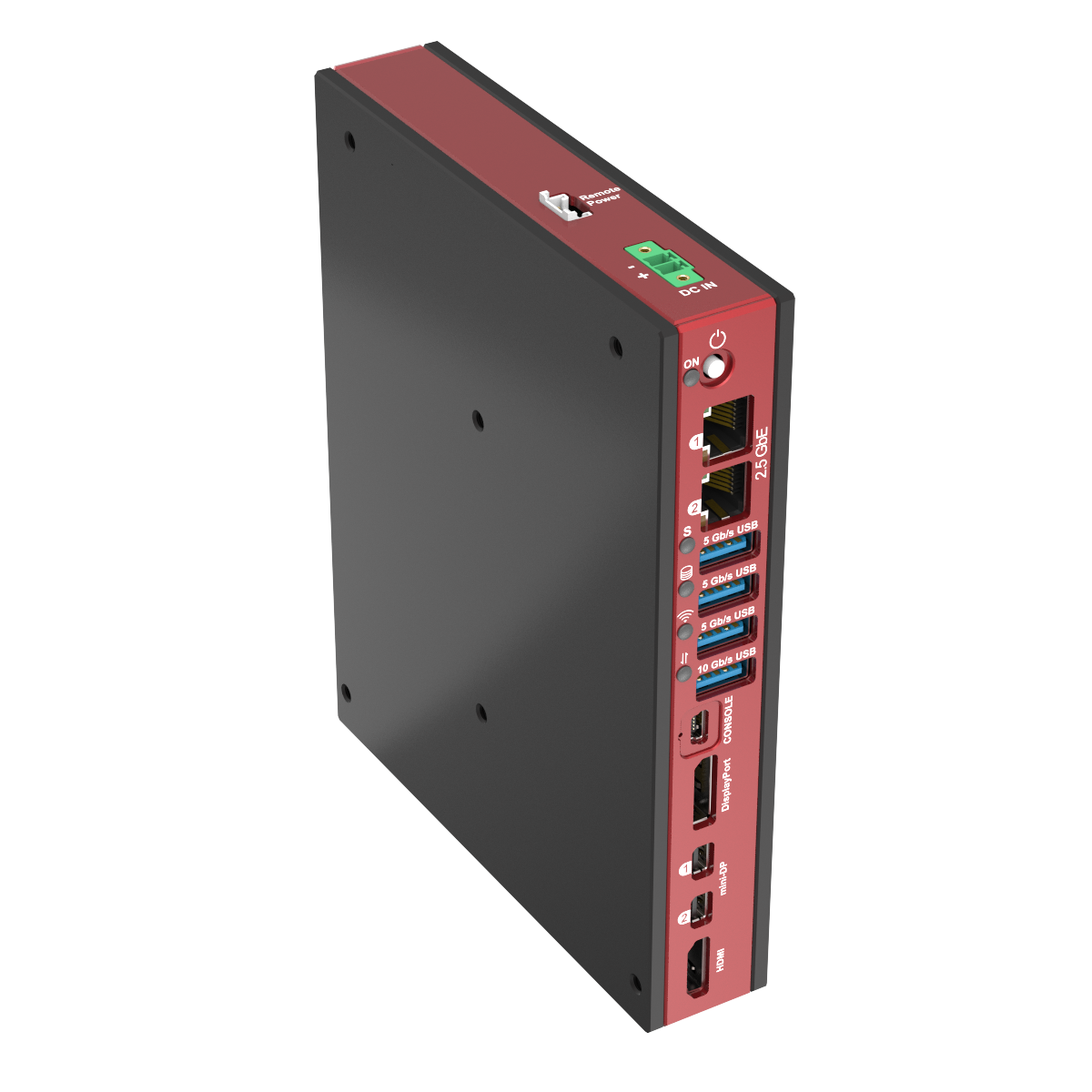
- 1st industrial PC with the 12 core Zen5 AMD Ryzen™ AI 9 HX 370
- Up to 128 GB DDR5 RAM and 50 AI TOPS NPU with AMD ROCm™ 7 support
- State of the art thermal design for operation in -40ºC to 85ºC
- 10 years guaranteed availability
AMD Ryzen AI 9 HX 370 – A Leap in Performance
Bedrock RAI300 is powered by the state-of-the-art AMD Ryzen AI 9 HX 370 processor with 12 Zen 5 cores and 24 threads running at up to 5.1 GHz, RDNA 3.5 iGPU, and the XDNA 2 NPU.
Unlock the Full Potential of Edge AI
Bedrock RAI300 leverages the AMD ROCm™ 7.x open software ecosystem to bridge the gap between cloud development and edge deployment, offering first-class ROCm support across both Windows and Linux. Integrated RDNA 3.5 and XDNA2 allows running leading AI frameworks natively, while the unified memory architecture of up to 128 GB enables execution at the edge of large-scale generative models and LLMs that were once restricted to the data center.

Packed Solid with Features
The I/O, storage and networking devices found in Bedrock RAI300 stand out in both performance and capacity. Thanks to its modular design Bedrock RAI300 is available with either 4 displays + 2 GbE or 4 GbE + 2 displays. Bedrock RAI300 is packed full with sockets for up to 128 GB DDR5, 3x NVME Gen4 2280 or up to 3 Hailo AI accelerators and 5G modem with dual SIM. I/O includes USB4 40 Gbps, extra 4 USB 3.2 ports and a console port. All these features are tightly packed in a compact fanless enclosure.
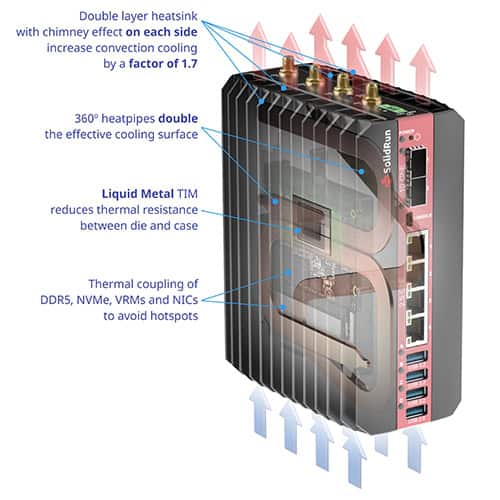
Remarkable Fanless Cooling
Hot chips require innovative cooling. Bedrock was designed from the ground up for effective fanless cooling. The CPU is thermally coupled to the chassis using liquid metal TIM to reduce thermal resistance. Stacked heat pipes distribute the heat evenly 360º around the all-aluminum chassis. To optimize convective heat transfer, each chassis wall has two heat exchange layers – aluminum air-ducts that stimulate airflow by chimney effect, and another layer of conventional cooling ribs. As a result, Bedrock can dissipate over 3 times the power of fanless computers of similar size.
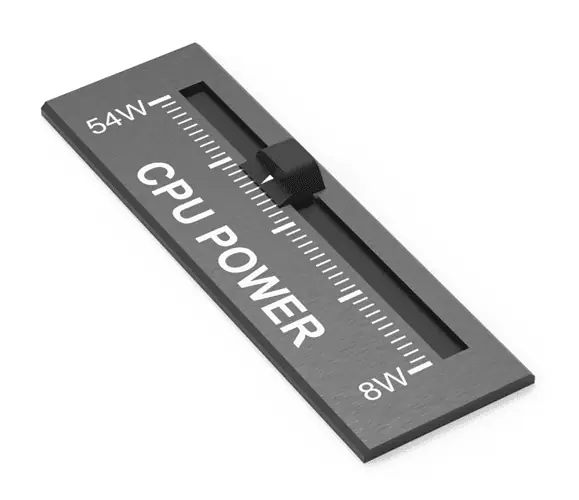
Full Control of CPU Power
With Bedrock RAI300 you don’t have to guess how much power the system draws. Instead you can precisely set CPU power limit across an exceptionally broad power range of 8W to 54W. This is particularly useful in scenarios where limited power has to be shared between the IPC and additional devices, and when integration constraints prevent ideal heat dissipation.
Rock Solid Reliability
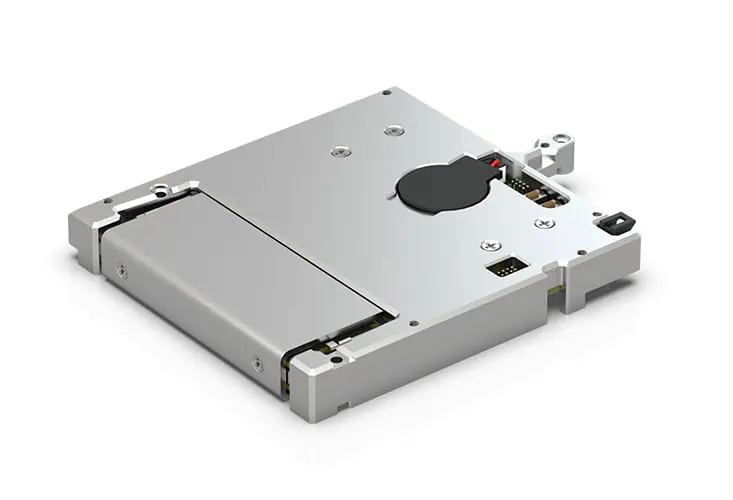
Bedrock is designed with reliability in mind based on decades of experience in development of IPCs and embedded systems. DC power is through a terminal block with screw locking and has a wide voltage range of 12V – 60V with two stages of regulation. RAM supports ECC. NVMe with power-loss-protection (PLP) can be ordered. Bedrock has redundant SPI Flash to prevent bricking by BIOS corruption as well as WDT and TPM. The enclosure is extremely ruggedized – all-aluminum, fanless and ventless dust-resistant IP40.
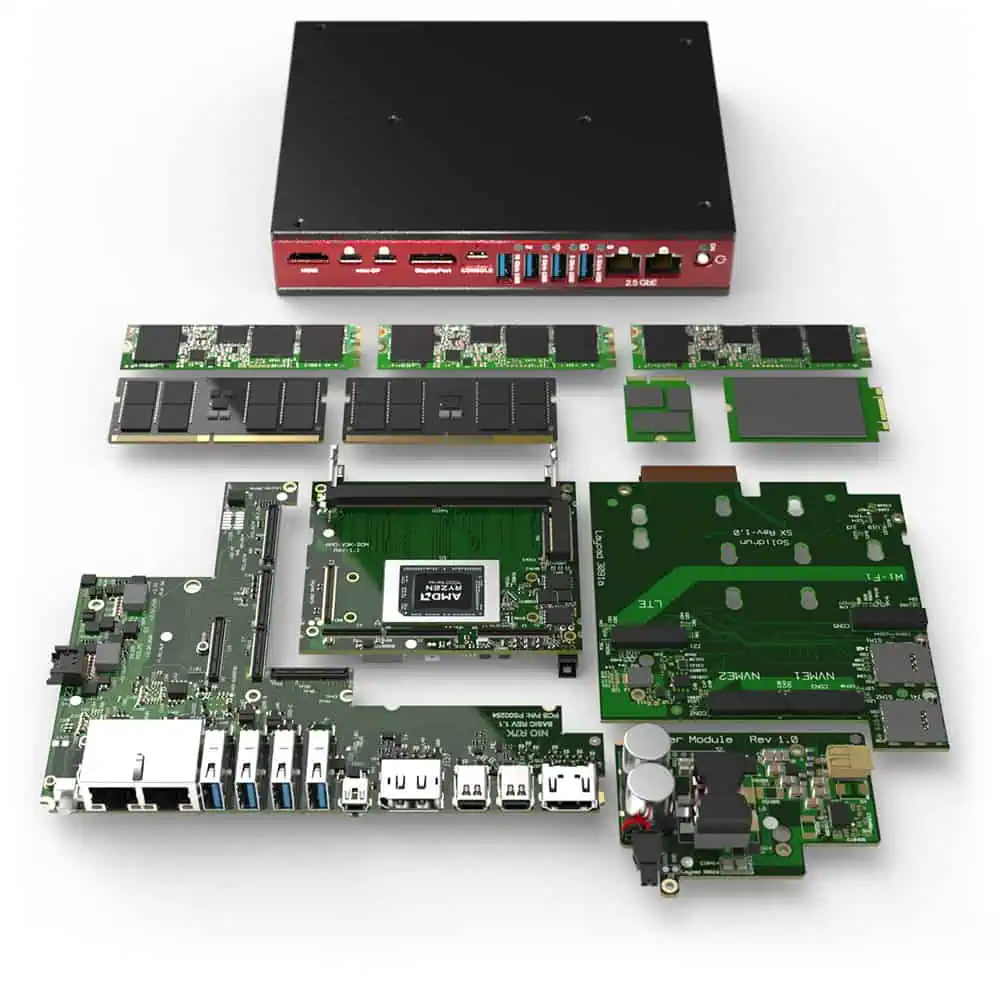
Innovative Modular Design
Bedrock is designed to address the diversity of requirements in the IoT space. This is achieved by partitioning the hardware into the following boards:
- SoM with the CPU, DDR5 and NVMe slots and all native interfaces on 380 pins of high density connectors.
- Networking and I/O board (NIO) with NICs and ports.
- Storage and Extension Cards board (SX) with slots for 5G modem and extra NVMe devices.
- Power Module (PM) with DC to DC converter and DC input connector.
This modular design enables agile customization of Bedrock for addressing specific requirements. SolidRun is developing multiple NIO, SX and PM boards that can be mixed and matched as an off-the-shelf solution and also offers development of custom boards as an ODM service. Customers and 3rd parties that are interested in developing custom NIO, SX or PM boards are welcome to contact SolidRun for support.
Bedrock enclosure is designed with customization in mind. Modification of I/O, power input, antenna openings etc. can be performed cost effectively even in small volumes.
Painless Integration
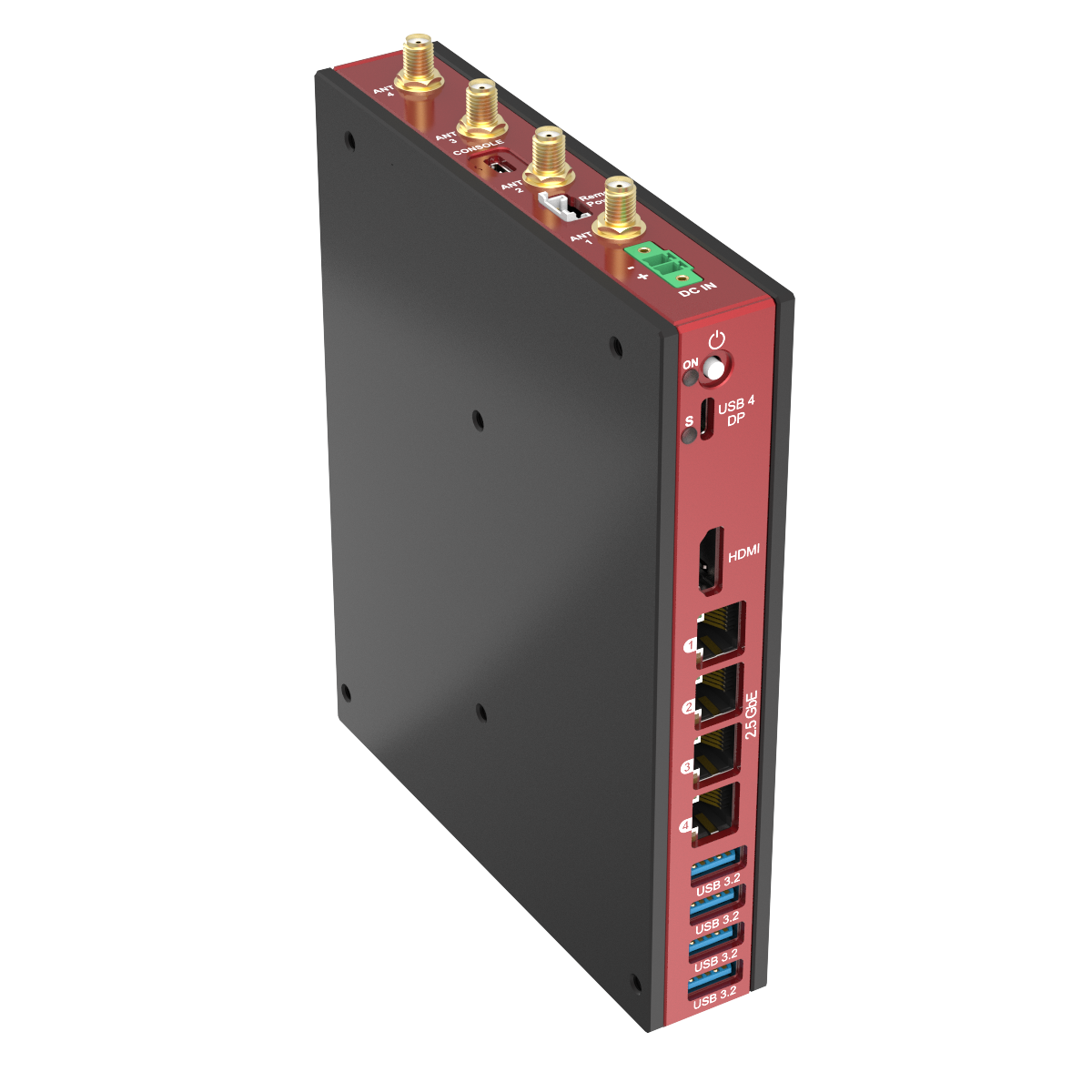
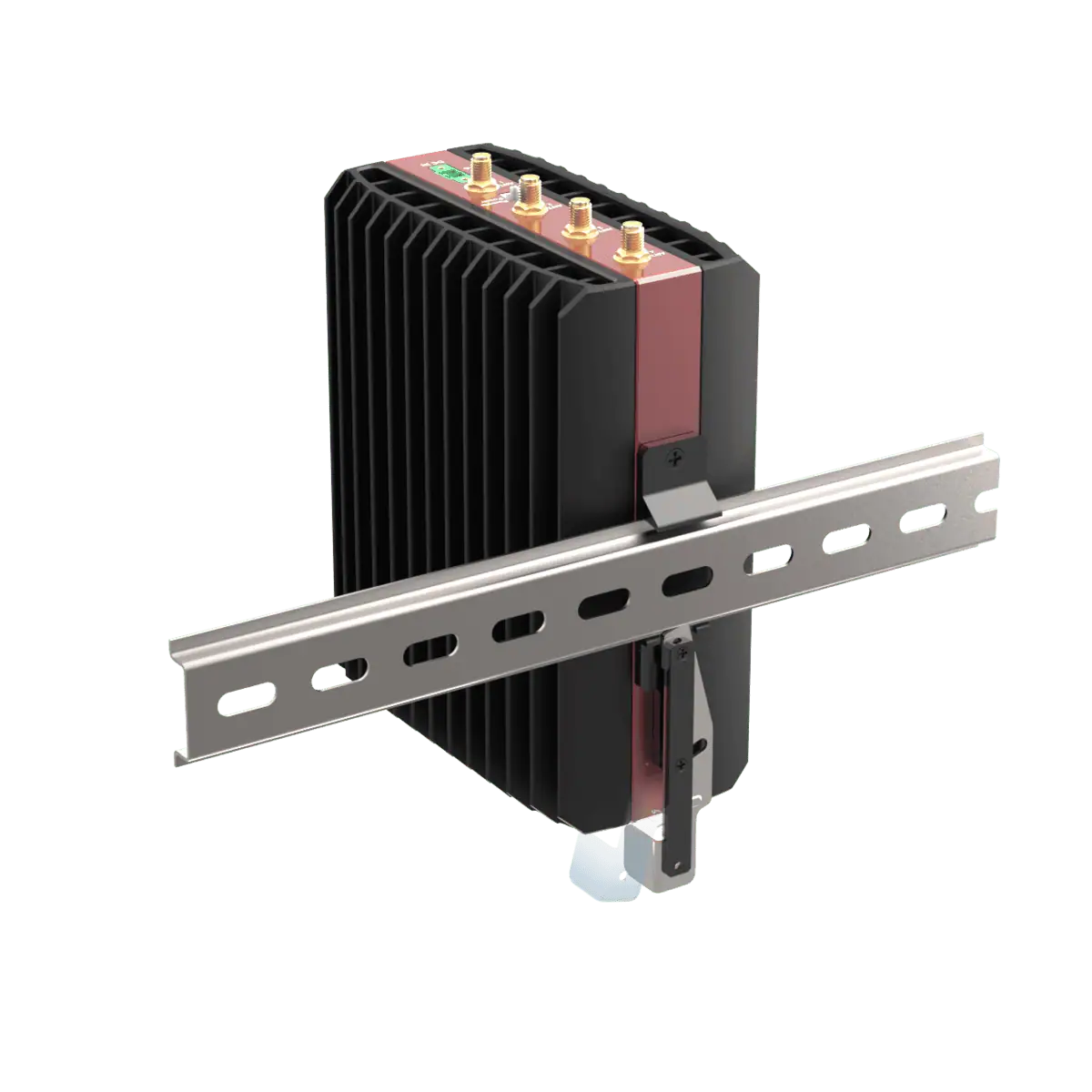
The compact footprint of Bedrock, robust structure, effective fanless cooling and DC input tolerance simplify Bedrock integration. All Bedrock I/O is brought to the front panel, with DC input and antennas in the top panel. The bottom and rear panel are both reserved for mounting, allowing full usability while Bedrock is mounted to a wall or to a desk.
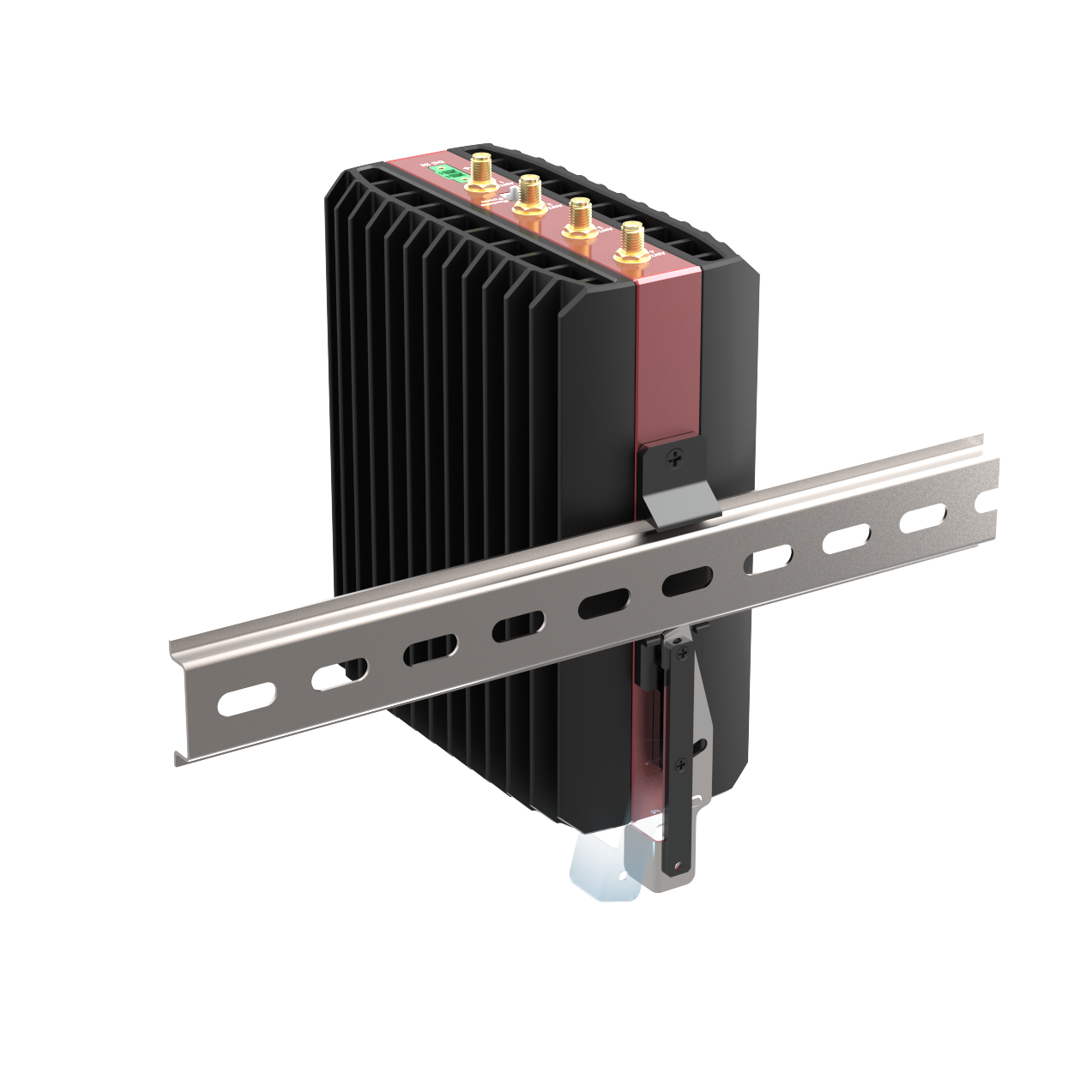
SolidRun offers multiple types of mounting brackets, including lever-based DIN-Rail bracket with locking, wall mount, small stand and ruggedized stand.
Field Usability
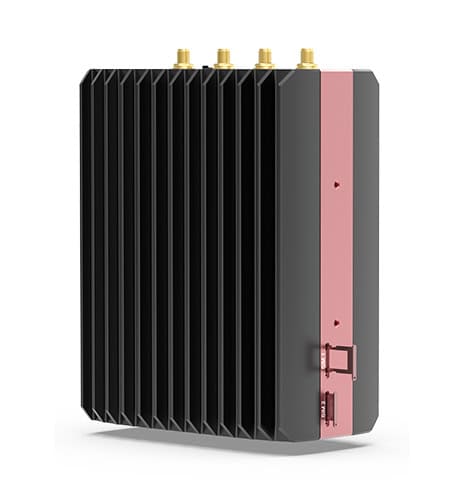
As a fanless, ventless IPC Bedrock requires no maintenance. Bedrock is designed to avoid the need to open it in the field. SIM cards are accessible from the panel using pin-hole trays. Remote power button connector is conveniently located on the top panel. All brackets and mounting fixtures are assembled from the outside. Should the need arise to open Bedrock (e.g. to install a storage device or replace the RTC battery) Bedrock opens by unscrewing a single screw.
The 0.6 liter Bedrock Tile
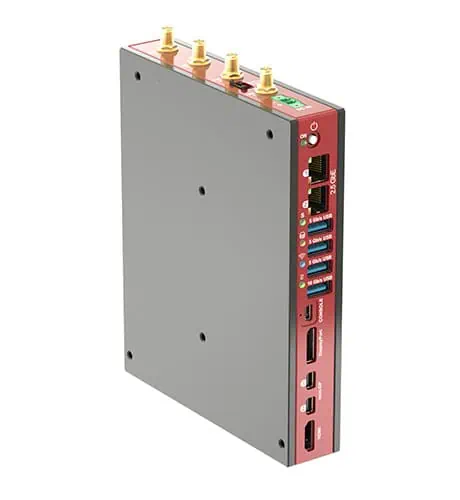
When integrating an IPC in tight space convection cooling becomes ineffective and is better replaced with conduction cooling. It is also desirable to make the IPC as compact and thin as possible.
Bedrock Tile is designed for these use cases. The ribbed chassis walls are replaced with flat walls with blind threadings for fastening Bedrock Tile to a cold plate. A key feature of Bedrock Tile is that it preserves the 360º internal heat distribution so it can be cooled from either side. With thickness of just 29mm and volume of 0.6 liter, Bedrock Tile is easy to integrate in tight spaces. Having all connectors on one side further simplifies the integration.
Advanced Integration Using Deck
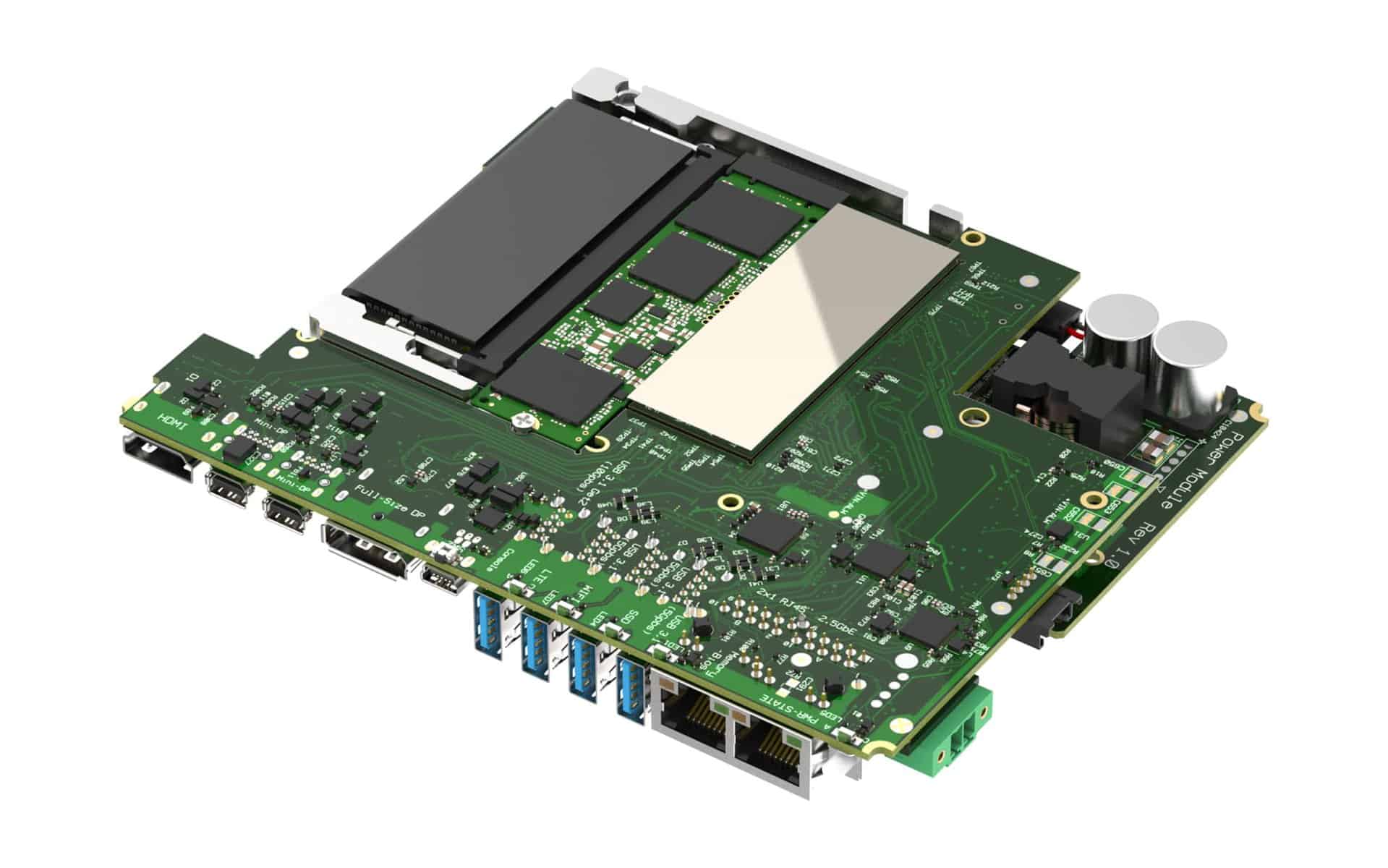
Some integration scenarios call for custom enclosures (e.g. when additional devices must be installed with the computer in the same housing). To support these use cases Bedrock introduces the Deck concept (deck-of-cards). The SoM, NIO, SX and PM are rigidly held together with fasteners independently of the Bedrock enclosure. The Deck provides first stage cooling for most devices, in particular it includes a copper heat-plate on the CPU. The Deck is fastened to the custom chassis with only 3 screws. Fastening provides thermal coupling to the CPU, RAM, NVMe and FETs. The DC input connector is on wires and can be relocated in the chassis.
Designing with Bedrock SoM
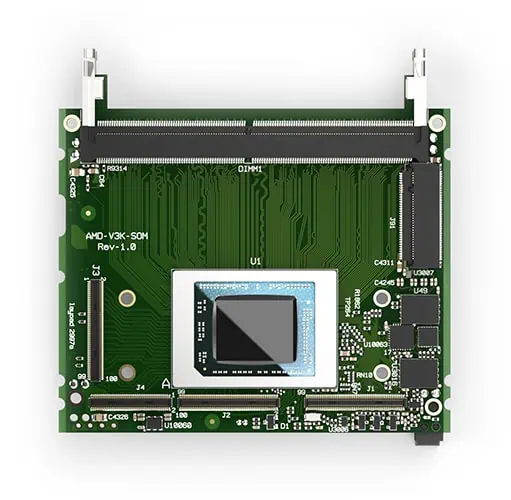
Bedrock SoM makes a convenient and flexible building block for board designers. For many developers, using Bedrock RAI300 SoM would be the best way to develop a custom appliance based on AMD Ryzen Ryzen AI 300 series. Bedrock SoM makes an attractive platform for that purpose for several reasons.
The SoM is far more self-contained than traditional SoMs. It has not only the essential CPU and RAM, but also NVMe, direct DC input with 12V – 19V tolerance and RTC battery. The SoM is provided in a ruggedized metal skirt that protects the SoM, provides mounting fixture for extension cards and serves as a heat-spreader for secondary heat sources. Copper heat-plate is pre-assembled on the CPU.
Customers wishing to develop with Bedrock SoM are welcome to contact us.
CPU
- AMD Ryzen™ AI 9 HX 370
- 12C / 24T Zen 5 (4nm)
- Up to 5.1 GHz
- Up to 54W
GPU
- AMD Radeon™ 890M
- 16 CU @ 2900 MHz
NPU
- AMD Ryzen™ AI
- 50 TOPS
AI Acceleration
- Up to 2× Hailo-8 M.2 AI Inferencing Acceleration Module (26 TOPS each)
- Up to 2× Hailo-10 M.2 Generative AI Acceleration Module (40 TOPS each)
- 2× M.2 Key-M 2242 (each precludes one NVMe)
RAM
- 128-bit DDR5 5600
- Up to 128 GB
- 2× SODIMM (2×32-bit each)
- Conduction cooled
TPM
- fTPM 2.0 (integrated in Ryzen)
- dTPM 2.0 (Infineon)
- Selectable in BIOS
Display
- Up to 4 display outputs
- HDMI 2.1
- DisplayPort 2.1
- Max resolution 7680×4320 @ 60 Hz
- Max resolution 3840×2160 @ 240 Hz
Storage
- Up to 3× NVMe PCIe Gen4 x4
- M.2 Key-M 2280
- Optional power-loss protection
- Conduction cooled
- Each 2nd/3rd NVMe precludes one Hailo-8 Key-M
LAN
- Up to 4× 2.5 GbE (Intel I226)
- 4× RJ45 (NIO R8000 4X25)
- 2× RJ45 (NIO R7000 Basic)
Modem
- 4G / 5G (Quectel)
- Up to 4× SMA antennas
- Optional and upgradable
- M.2 Key-B 3042 / 3052
USB
- 1× USB 4.0 (40 Gb/s)
- 1× USB 3.2 Gen 2 (10 Gb/s)
- 3× USB 3.2 Gen 2 (5 Gb/s)
- USB-C / USB-A connectors
Console
- Serial over USB
- Mini-USB connector
BIOS
- AMI Aptio V
- Dual SPI Flash for redundancy
- Console redirection
Operating Systems
- Windows 11 / Windows IoT
- Linux
- Other x86 operating systems supported
Power
- 12V–60V DC input
- Phoenix terminal
- Other DC connectors available
Temperature Range
- -40°C to 85°C
- Commercial temperature range also available
Enclosure
- All-aluminum enclosure
- Fanless cooling
Dimensions
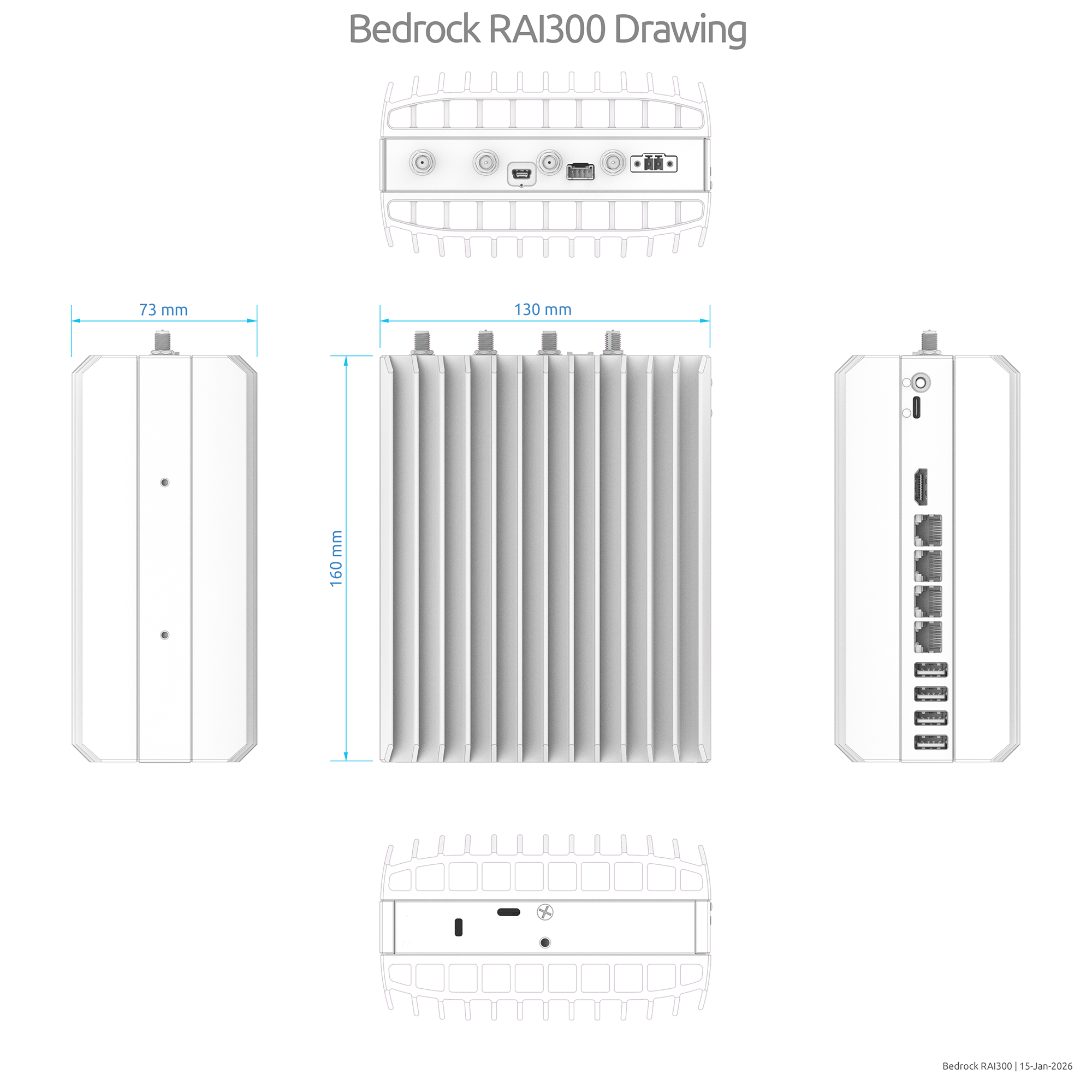
- 60W model: 73 mm (W) × 160 mm (H) × 130 mm (D)
- Tile model: 29 mm (W) × 160 mm (H) × 130 mm (D)
Mounting
- DIN-rail
- Wall
- VESA
- Table top
CPU
- AMD Ryzen™ AI 9 HX 370
- 12C / 24T Zen 5 (4nm)
- Up to 5.1 GHz
- Up to 54W
GPU
- AMD Radeon™ 890M
- 16 CU @ 2900 MHz
NPU
- AMD Ryzen™ AI
- 50 TOPS
AI Acceleration
- Up to 2× Hailo-8 M.2 AI Inferencing Acceleration Module (26 TOPS each)
- Up to 2× Hailo-10 M.2 Generative AI Acceleration Module (40 TOPS each)
- 2× M.2 Key-M 2242 (each precludes one NVMe)
RAM
- 128-bit DDR5 5600
- Up to 128 GB
- 2× SODIMM (2×32-bit each)
- Conduction cooled
TPM
- fTPM 2.0 (integrated in Ryzen)
- dTPM 2.0 (Infineon)
- Selectable in BIOS
Display
- Up to 4 display outputs
- HDMI 2.1
- DisplayPort 2.1
- Max resolution 7680×4320 @ 60 Hz
- Max resolution 3840×2160 @ 240 Hz
Storage
- Up to 3× NVMe PCIe Gen4 x4
- M.2 Key-M 2280
- Optional power-loss protection
- Conduction cooled
- Each 2nd/3rd NVMe precludes one Hailo-8 Key-M
LAN
- Up to 4× 2.5 GbE (Intel I226)
- 4× RJ45 (NIO R8000 4X25)
- 2× RJ45 (NIO R7000 Basic)
Modem
- 4G / 5G (Quectel)
- Up to 4× SMA antennas
- Optional and upgradable
- M.2 Key-B 3042 / 3052
USB
- 1× USB 4.0 (40 Gb/s)
- 1× USB 3.2 Gen 2 (10 Gb/s)
- 3× USB 3.2 Gen 2 (5 Gb/s)
- USB-C / USB-A connectors
Console
- Serial over USB
- Mini-USB connector
BIOS
- AMI Aptio V
- Dual SPI Flash for redundancy
- Console redirection
Operating Systems
- Windows 11 / Windows IoT
- Linux
- Other x86 operating systems supported
Power
- 12V–60V DC input
- Phoenix terminal
- Other DC connectors available
Temperature Range
- -40°C to 85°C
- Commercial temperature range also available
Enclosure
- All-aluminum enclosure
- Fanless cooling
Dimensions
- 60W model: 73 mm (W) × 160 mm (H) × 130 mm (D)
- Tile model: 29 mm (W) × 160 mm (H) × 130 mm (D)
Mounting
- DIN-rail
- Wall
- VESA
- Table top


%20(1).png)


