
As the demand for complex AI processing- specifically Generative AI (LLMs) and advanced computer vision migrates from the data center to the harsh edge, a critical engineering paradox has emerged: How do we deliver high-TOPS compute in a fanless, environmentally sealed enclosure?
At Peila International, we specialize in solving this "performance vs. thermal" challenge.
We are excited to discuss the integration of the groundbreaking Hailo-10H AI Accelerator into our rugged computing portfolio.
The Game Changer: What 40 TOPS Means for the Rugged Edge
Until recently, running sophisticated models like 2-3B parameter GenAI models on-device meant accepting high power consumption and the need for active (fan) cooling. The Hailo-10H changes that equation entirely.
Key technical specifications that make the Hailo-10H ideal for rugged integration include:
- Performance: Up to 40 TOPS (Tera Operations Per Second).
- Form Factor: Compact M.2 Key-M (2280) module.
- Efficiency: Crucially, it achieves this high throughput with extremely low power consumption (typical performance is optimized around ~3W).
- Interface: PCIe Gen-4 x4, ensuring high bandwidth for data-intensive streams.
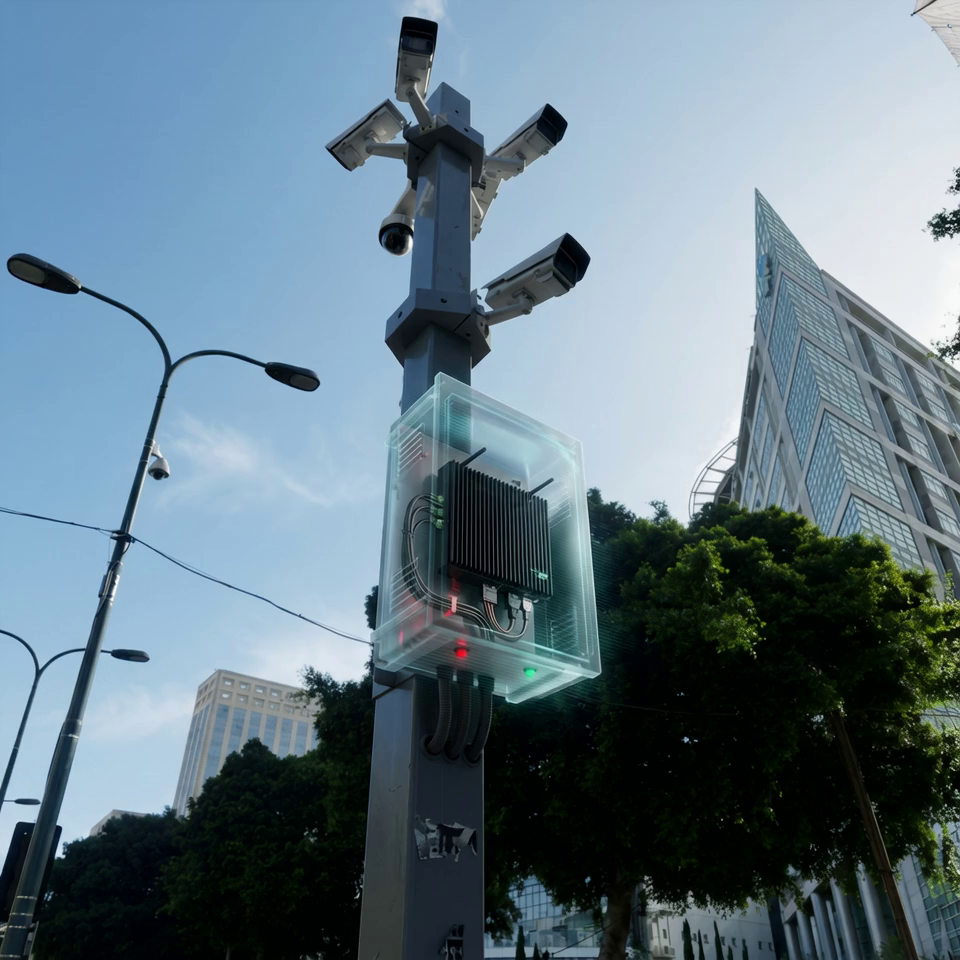
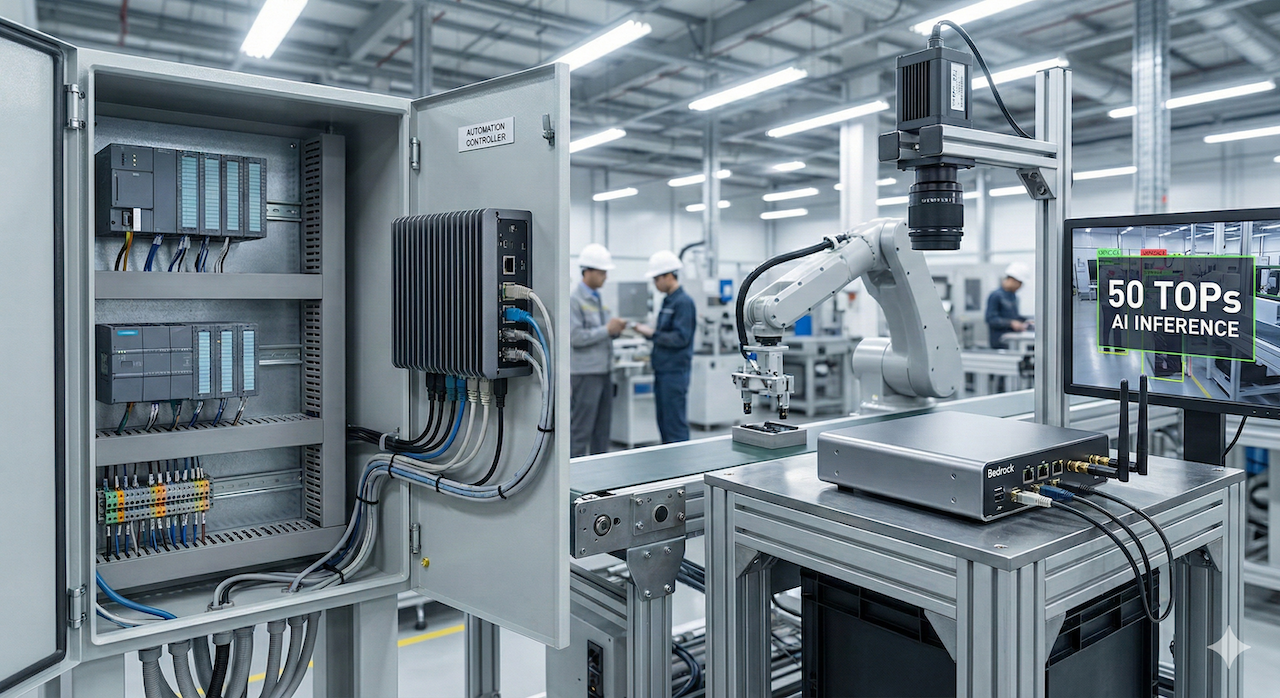
This low-power, high-compute profile is exactly what is required for fanless, wide-temperature vehicle computers, smart city infrastructure, and industrial automation where airflow is restricted or non-existent.
The Engineering Challenge: Thermal Coupling in Rugged Chassis
You cannot simply plug a 40 TOPS module into a generic chassis and expect reliable, sustained performance in a 60°C or 70°C ambient environment. Thermal throttling will occur almost instantly.
The core engineering task is efficient thermal coupling. Peila excels at creating custom thermal paths, using specialized heat spreaders and gap fillers to directly bond the M.2 module to the chassis body (acting as a massive passive heatsink).
We are actively validating two of our most robust platforms for high-spec Hailo-10H integration:
Option 1: The AMD Path with SolidRun’s Bedrock R8000
For applications requiring high-performance general-purpose compute (AMD Ryzen Embedded 8000 Series) alongside massive AI acceleration, we recommend the Bedrock R8000.
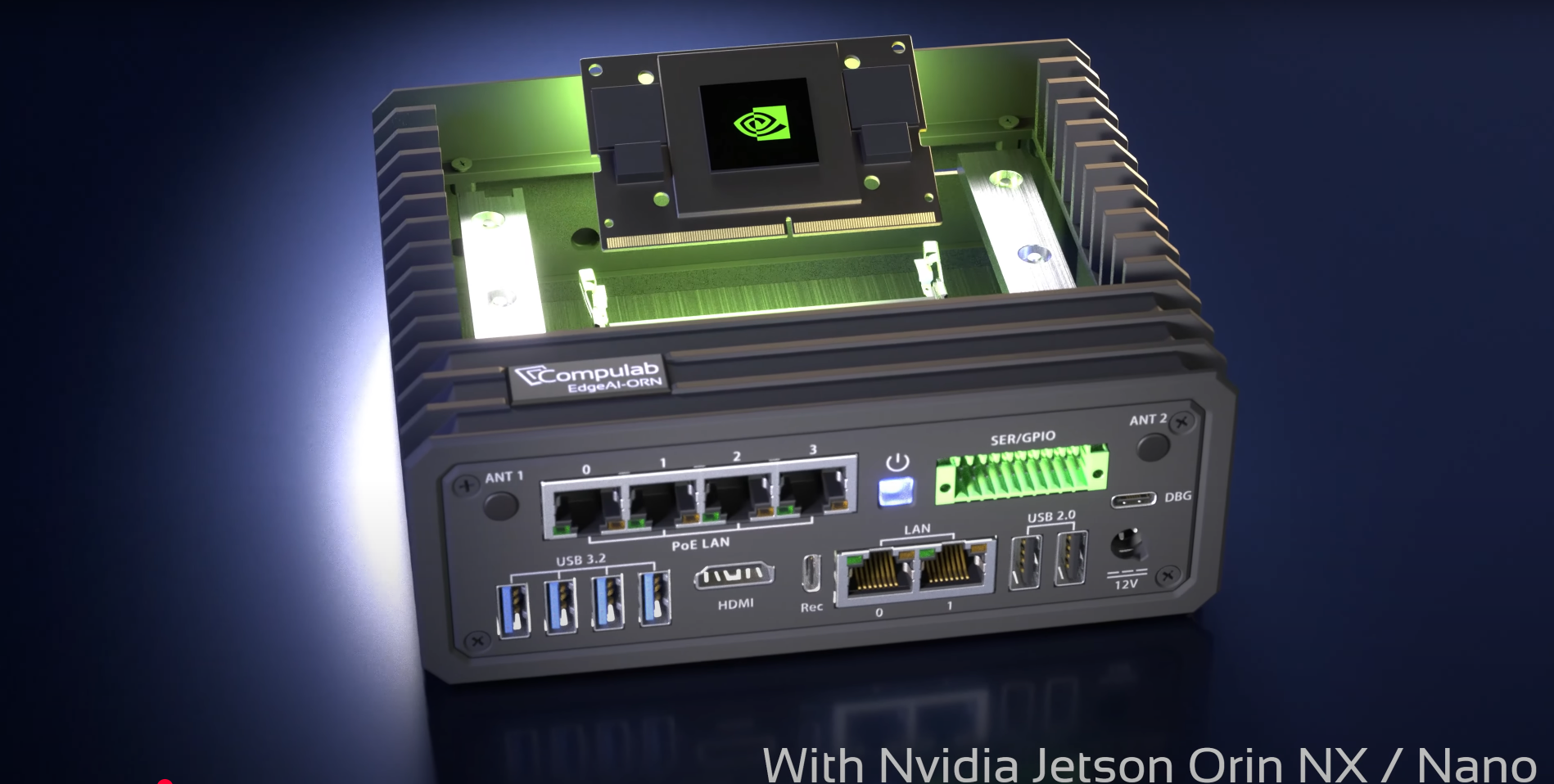
Our integration team is optimizing the Bedrock’s massive, finned 1.5L chassis to handle dual Hailo-10H modules. This configuration provides an aggregate of 80 TOPS, validated for sustained operation under extreme industrial temperatures. The combination of AMD’s NPU (Ryzen AI) and dual Hailo modules creates an unparalleled edge compute node.
Option 2: The Intel Path with Compulab’s Tensor-I22
For scenarios requiring extreme modularity and Intel Core (11th Gen) performance, we turn to the Tensor-I22.
The Tensor-I22’s "EW-expansion" architecture allows us to add specialized M.2 layers specifically designed to support multiple accelerators. This flexibility is perfect for projects where I/O (like multi-camera inputs) and high-performance AI need to be tightly integrated in a vibration-certified, fanless enclosure.
Where Can You Deploy This Tech?
- Automotive AI: In-vehicle real-time driver monitoring (DMS), perception for driver assistance, and personalized generative AI copilots—all running locally to avoid cloud latency.
- Industrial Vision: High-speed quality assurance (QA) on factory floors where dust and humidity require a sealed, maintenance-free unit.
- Security & Retail: Real-time analysis of multiple 4K video streams for anomaly detection or demographic analysis without compromising privacy by sending video to the cloud.
Partner with Peila for Your Optimal Edge Design
The Hailo-10H is a potent tool, but it is only as good as the rugged thermal solution surrounding it. Peila International doesn’t just sell hardware; we provide complete, engineered systems that are optimized for your environmental realities.
Are you designing a next-generation AI edge node? Contact us today to discuss how we can integrate the Hailo-10H into a rugged chassis customized for your project.





.png)


.png)


